Early Life
Born on 4 January 1953 in Lucknow, Uttar Pradesh, India, into the Khandan-e-Ijtehad, a distinguished Shia scholarly family tracing its lineage to Ayatollah Sayyid Dildar Ali Naseerabadi (Ghufran Ma'ab). He is the son of Maulana Kalbe Abid and nephew of the reformer and educationist Maulana Kalbe Sadiq.
** Maulana, Imam-e-Juma of Lucknow **
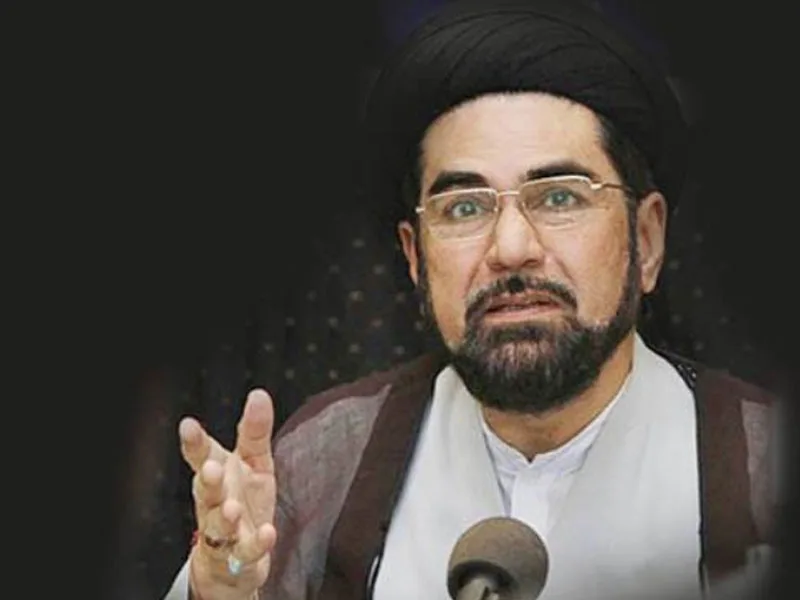
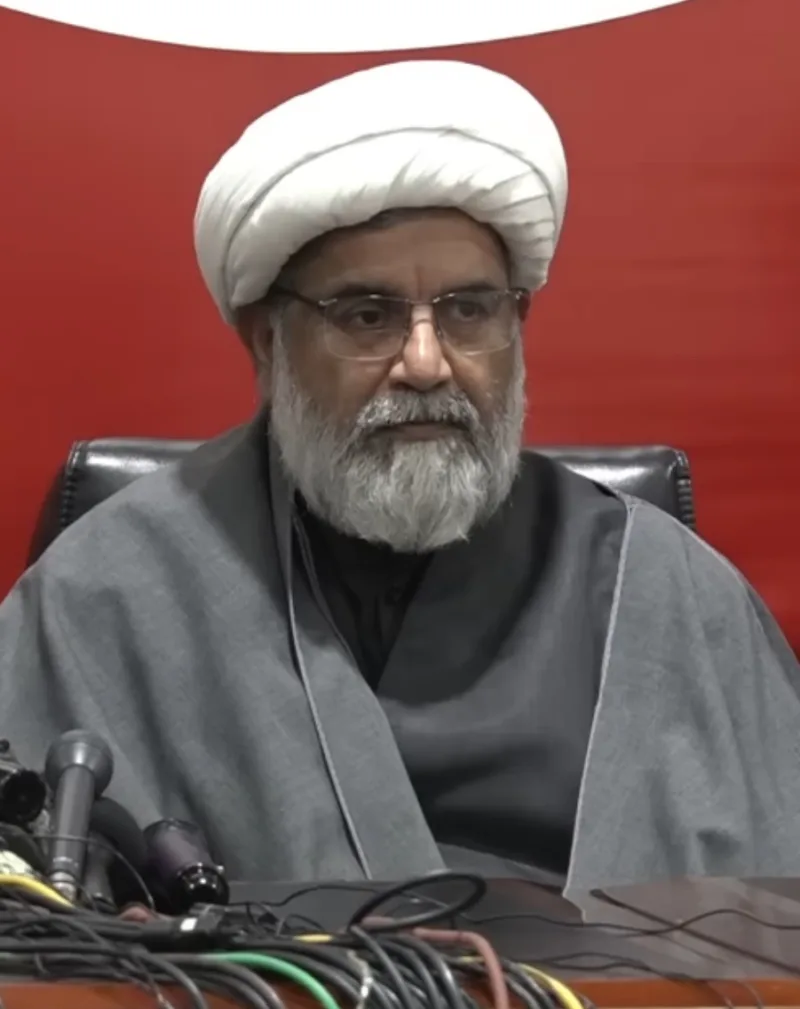
Maulana Syed Kalbe Jawad Naqvi (born 4 January 1953, Lucknow) is one of the most prominent Shia clerics and community leaders in India. He serves as the Imam-e-Juma (Friday prayer leader) of Lucknow at the historic Shahi Asafi (Asaf-ud-Daula) Mosque and is a senior member of the All India Muslim Personal Law Board. He belongs to the Khandan-e-Ijtehad, a celebrated family of scholars descending from Ayatollah Sayyid Dildar Ali Naseerabadi (Ghufran Ma'ab), the founder of Shia scholarly tradition in Awadh.
He is the son of Maulana Kalbe Abid and the nephew of the widely respected reformer and educationist Maulana Kalbe Sadiq. After early religious education in Lucknow, a city long central to Shia learning in the subcontinent, he pursued advanced studies in Islamic theology and jurisprudence at the seminary (Hawza Ilmiyya) of Qom in Iran.
Kalbe Jawad rose to national prominence through his leadership of the movement to restore Lucknow's traditional Muharram processions. Beginning in the 1980s and continuing through years of restrictions, his activism helped secure a tripartite agreement in 1997 that reinstated key Azadari processions in the city, an outcome regarded as a turning point for the Shia community of Lucknow.
Beyond Muharram observance, he founded the Tehreek-e-Awqaf, a movement to reform the administration of Muslim endowments (Waqf) and combat corruption in their management. In 2000 he established Tanzeem-e-Pasdaran-e-Husain, an organisation dedicated to the defence and promotion of Husayni values and community welfare, and he chairs the Shia Orphanage Committee (Gulistan-e-Abutalib) in Lucknow.
As General Secretary of Majlis-e-Ulama-e-Hind and National President of the Rashtriya Shia Sufi Sangh, he is an influential voice on questions of communal harmony, national integration and interfaith dialogue. He has publicly condemned sectarian extremism and terrorist groups such as ISIS, and has been a consistent participant in interfaith and social-justice initiatives.
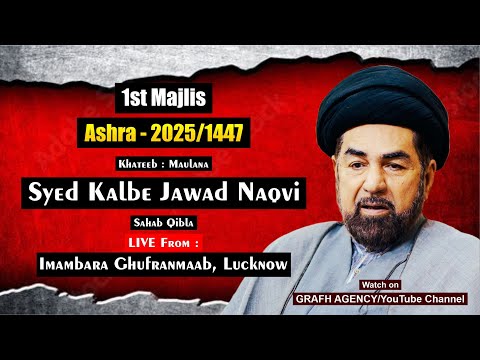
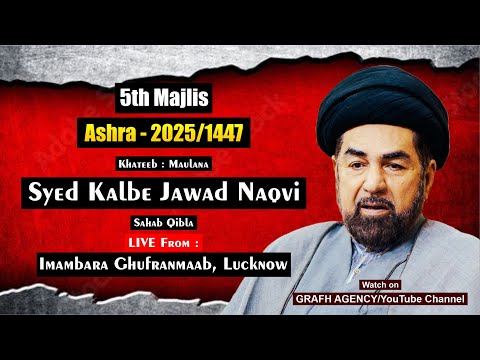
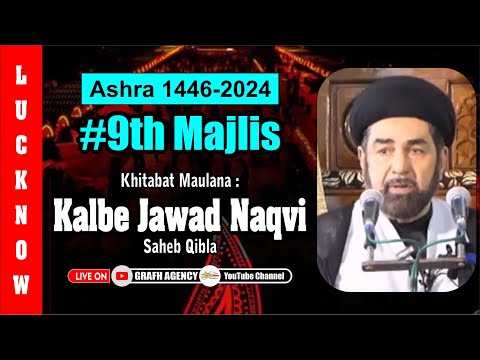
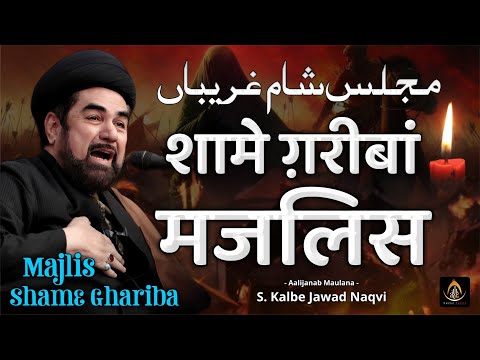
Kalbe Jawad is renowned above all as an orator. His annual Ashra-e-Majalis, delivered during the first ten days of Muharram at the Imambara Ghufranmaab in Lucknow, draw large congregations and are broadcast and streamed to audiences across India and the diaspora. His majalis combine historical narration of the events of Karbala with commentary on contemporary social and religious issues, and he remains an active and prominent figure in Indian Shia public life.