Biography
Early Life
Born in Gilgit, in the mountainous north of what is today Gilgit-Baltistan, Pakistan. Detailed records of his early life and education are not documented in available reliable sources.
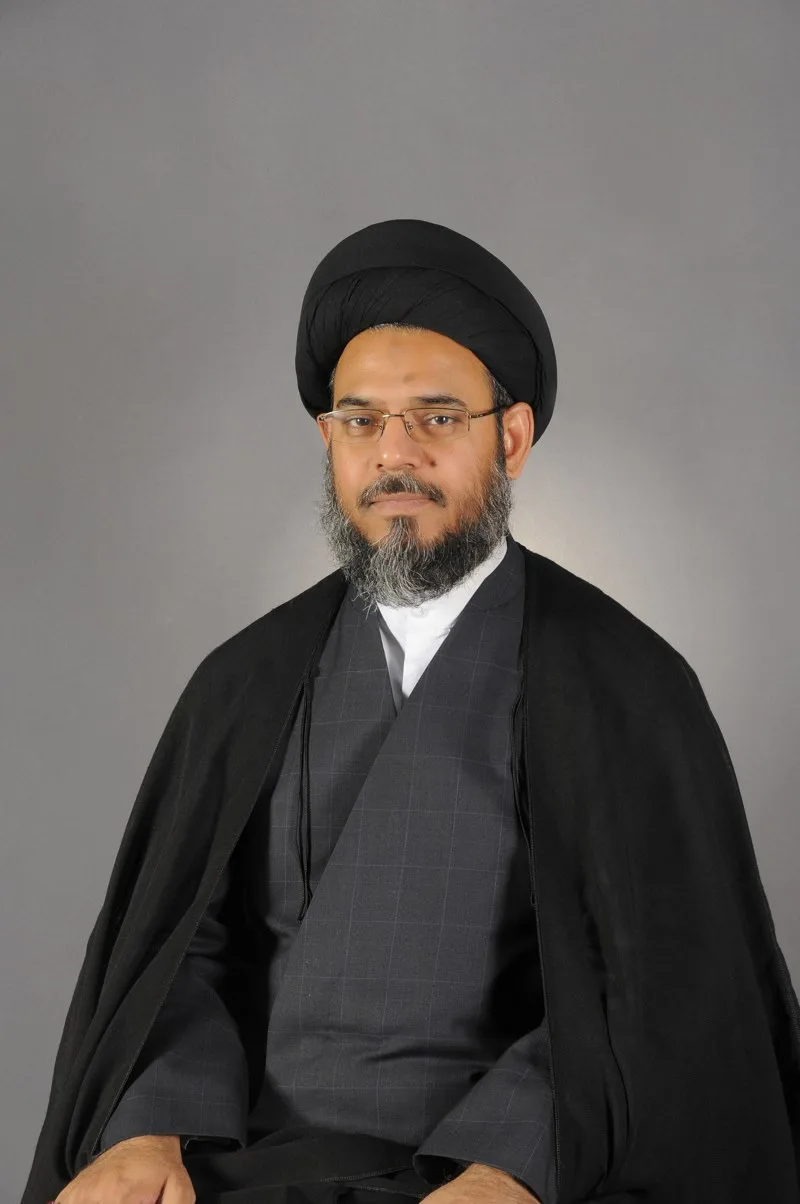
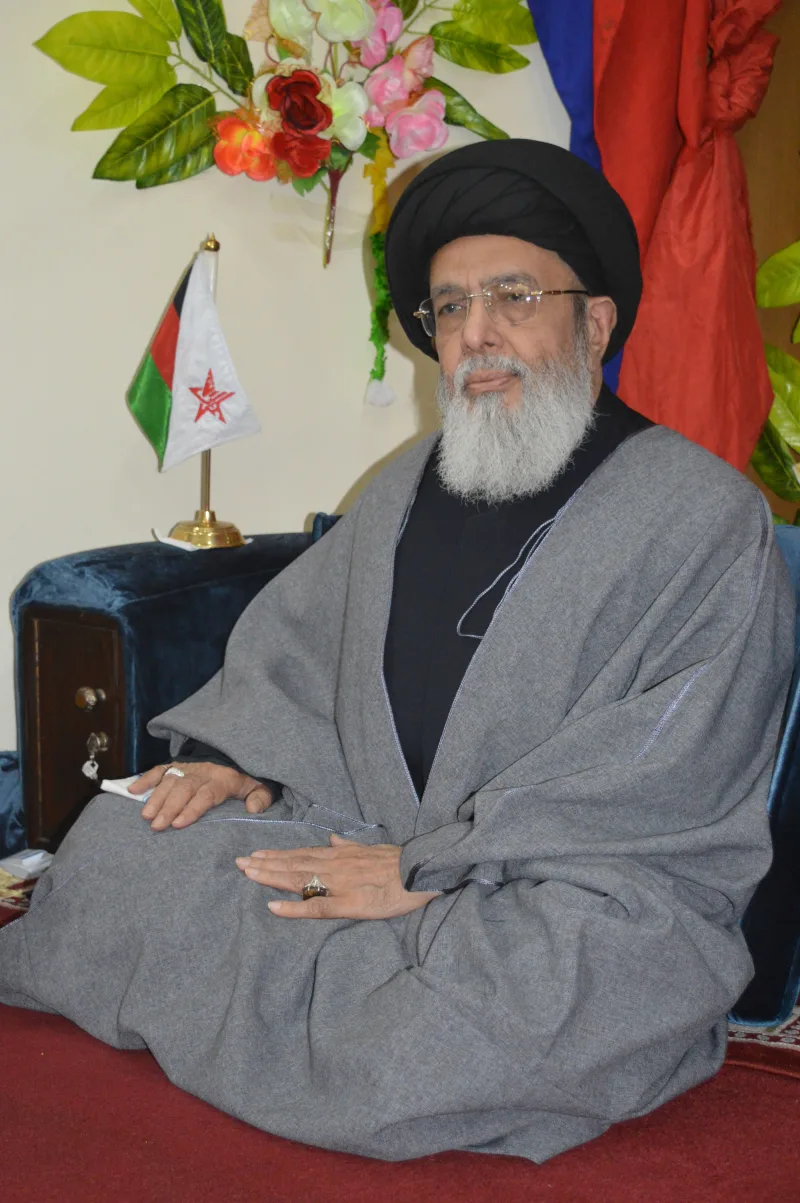
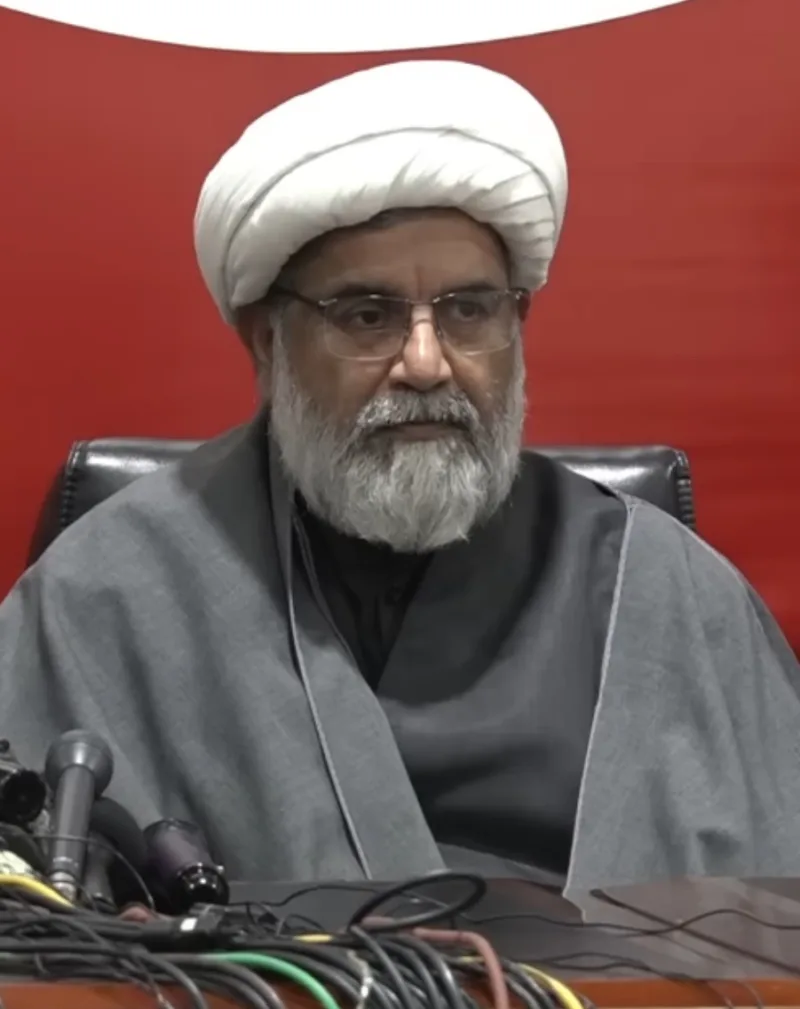
Sheikh Ali Madad (Urdu: شیخ علی مدد) was a Pakistani Shia Muslim religious leader who served as the second Supreme Leader of the Shia community of Parachinar, in the Kurram district near Pakistan's border with Afghanistan. He held this position of communal and religious leadership from 1985 until his death in 2002.
He was born in Gilgit, in the northern mountainous region of Pakistan now part of Gilgit-Baltistan. Beyond his birthplace, documented details of his early life and formal religious education have not survived in accessible reliable sources.
In Parachinar he worked as the imam of a mosque and as a teacher, roles through which he guided the local Shia population in religious affairs. He succeeded Sheikh Rajab Ali as Supreme Leader of Parachinar and was associated with the Anjuman-e-Hussainia, the communal body that has long organised the religious and social life of Parachinar's Shia majority.
As Supreme Leader he occupied a pivotal position in a community that has historically faced significant sectarian pressures in the Kurram region. Leaders in this role served both as spiritual guides and as representatives of the community's collective interests.
He died in June 2002 in Parachinar, concluding a tenure of some seventeen years at the head of the community. He was succeeded as the third Supreme Leader of Parachinar by Muhammad Nawaz Irfani, who led the community until 2014.
Reliable published documentation on Sheikh Ali Madad is limited, and several biographical particulars — including his birth year, the specifics of his religious training, and the exact date and place of his burial — remain unrecorded in the sources currently available. Sources also differ on his precise date of death within June 2002.
Positions & Achievements
2nd Supreme Leader of Parachinar (1985 – 2002)
Imam of a mosque
Teacher