Biography
Early Life
Born on 4 May 1977 in Lahore, Pakistan. His family later moved to Birmingham, England, where he was raised and completed his primary and secondary schooling. He began his religious studies in Birmingham before travelling to Iran for advanced seminary training.
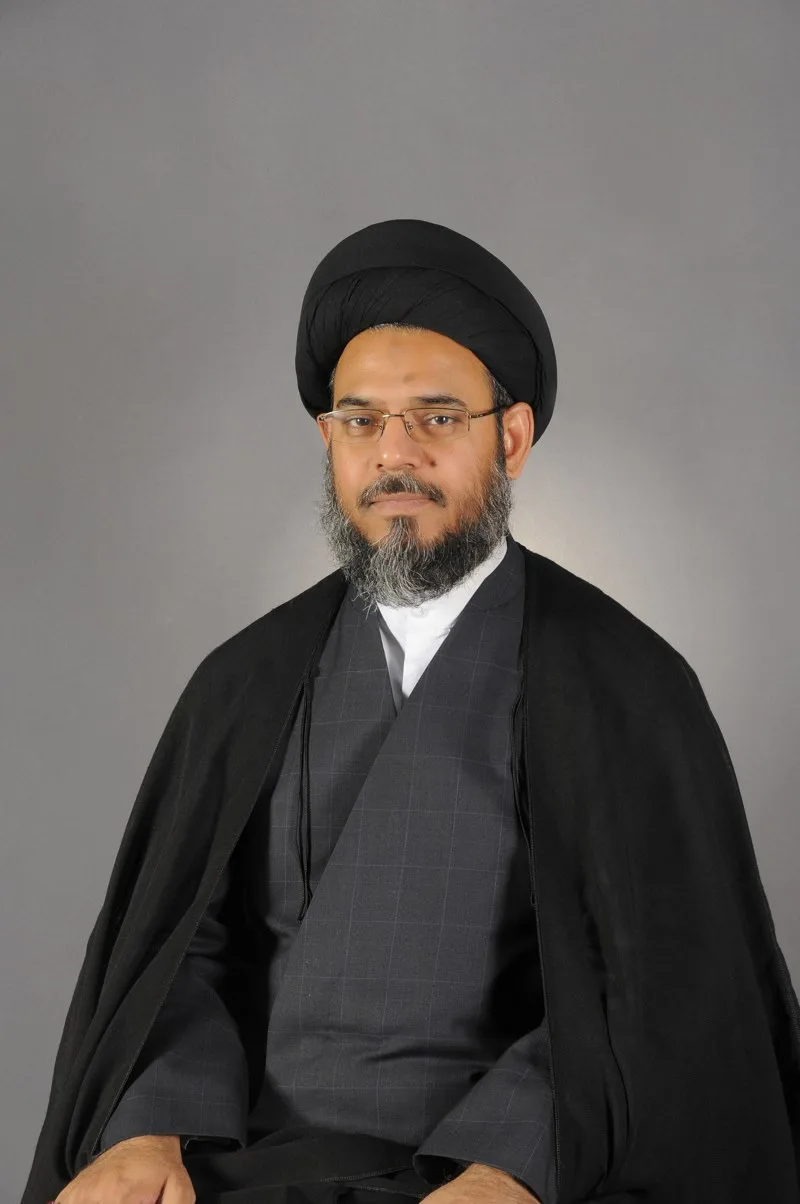
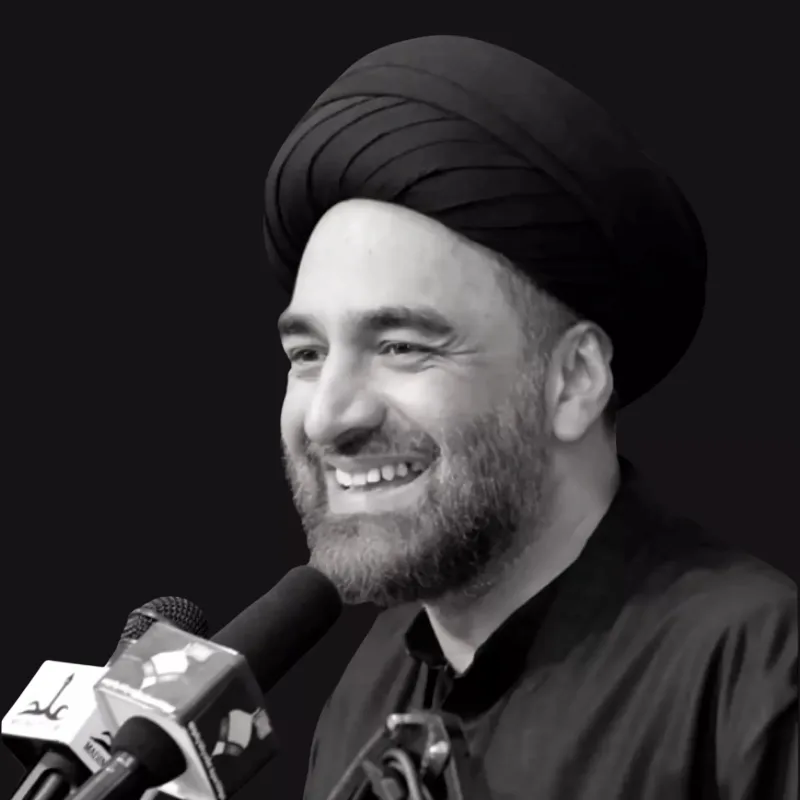
Syed Ali Raza Rizvi (born 4 May 1977, Lahore, Pakistan) is a Pakistani-British Twelver (Usuli) Shia scholar and orator, widely known by the title Maulana. Although born in Lahore, he was raised in Birmingham, England, where his family settled and where he completed his early education. It was in Birmingham that he first began his religious studies before pursuing advanced training abroad.
Rizvi travelled to Iran to study at the Qom Seminary (Hawza ‘Ilmiyya), one of the foremost centres of Shia learning. He spent several years there and graduated in 1998 with dual Master's degrees in Islamic Studies and Arabic. This grounding in both traditional seminary sciences and academic study shaped his later work as a teacher, translator, and public speaker.
He serves as the President of Majlis e Ulama e Shia (Europe), an organisation of Shia clerics based in the United Kingdom, and is based in London. In this capacity he has been active in community leadership, education, and interfaith and intra-community engagement among Shia Muslims in Europe.
As an author and translator, Rizvi has produced several works in English aimed at making classical Shia texts and Islamic teachings accessible to English-speaking audiences. Among these are an English translation of Shaykh al-Saduq's Kitab al-Tawhid (The Book of Divine Unity), as well as introductory works such as Introduction to Islam and Islamic Laws.
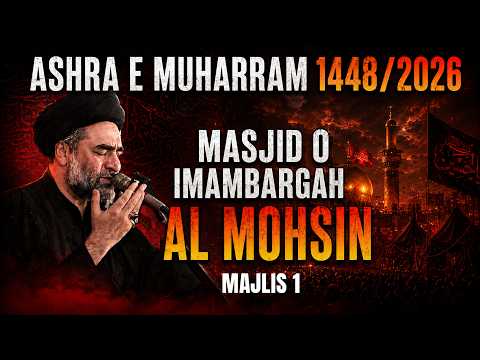
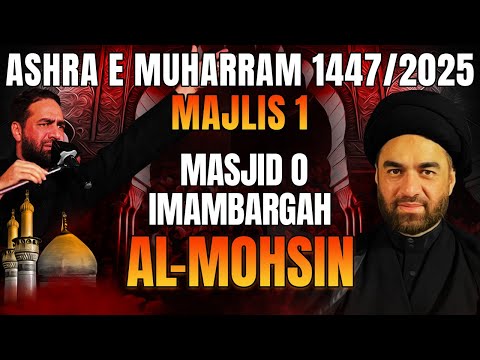
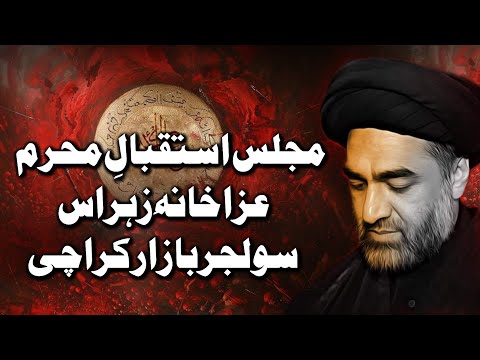
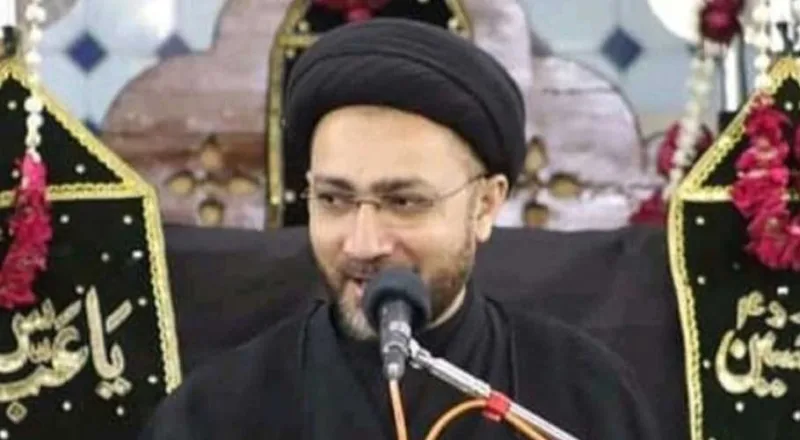
Rizvi is especially well known as a zakir (orator) who delivers majalis — commemorative gatherings marking the martyrdom of Imam Husayn ibn Ali and the events of Karbala — in both English and Urdu. He is a frequent speaker during Muharram and Safar, addressing gatherings in Pakistan, the United Kingdom, and around the world; by various accounts he has lectured in more than thirty to forty countries.
His lectures are widely circulated through his official YouTube channel and social media platforms, where recordings of his Muharram majalis and other religious discourses reach a large international audience. Through these platforms he continues to be an active voice in contemporary Shia religious education and commemoration.
Education & Training
Primary and secondary schooling in Birmingham, England
Initial religious studies in Birmingham
Several years at the Qom Seminary (Hawza), Iran
Graduated in 1998 with dual Master's degrees in Islamic Studies and Arabic
Positions & Achievements
President of Majlis e Ulama e Shia (Europe)
Books & Works
Rizvi has written and translated several works into English, including a translation of Shaykh Saduq's Kitab al-Tawhid (The Book of Divine Unity), Introduction to Islam, and Islamic Laws. He is widely known as an orator (zakir) who delivers majalis in English and Urdu, and has lectured in more than 30-40 countries around the world.
📖
Kitab al-Tawhid by Shaykh Saduq (The Book of Divine Unity) — translation
📖
Introduction to Islam
📖
Islamic Laws