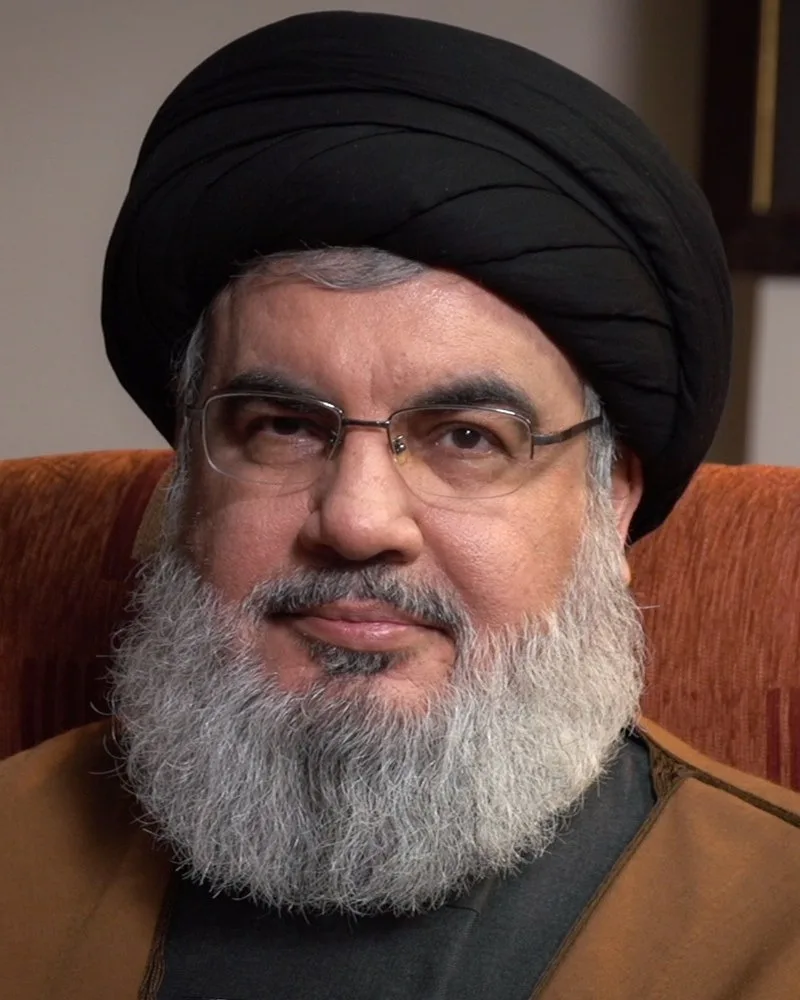
Biography
Early Life
Hassan Nasrallah was born on 31 August 1960 in Bourj Hammoud, an eastern suburb of Beirut, Lebanon. He was raised in a modest Shia family and pursued religious studies from a young age, attending a Shia seminary in Baalbek in the Beqaa Valley before continuing his studies at the seminary of Sayyid Muhammad Baqir al-Sadr in Najaf, Iraq, and later in Qom, Iran.
Sayyid Hassan Nasrallah (1960-2024) was a Lebanese Twelver Shia cleric and political figure who served as the third Secretary-General of Hezbollah from 1992 until his death in 2024. Born in the Beirut suburb of Bourj Hammoud, he studied at Shia seminaries in Baalbek, in Najaf (Iraq), and in Qom (Iran) before becoming active in Lebanon's Shia religious and political movements.
A founding member of Hezbollah in 1982, Nasrallah became its leader in February 1992 following the killing of his predecessor, Abbas al-Musawi. Over a tenure of more than three decades he was a central and highly influential figure in Lebanese politics and in the wider region, and Hezbollah developed into a significant political party and armed movement under his leadership. Supporters credited him with the group's role in the end of Israel's occupation of southern Lebanon in 2000, while critics and opponents held him and the organization responsible for Lebanon's internal conflicts and its confrontations with Israel.
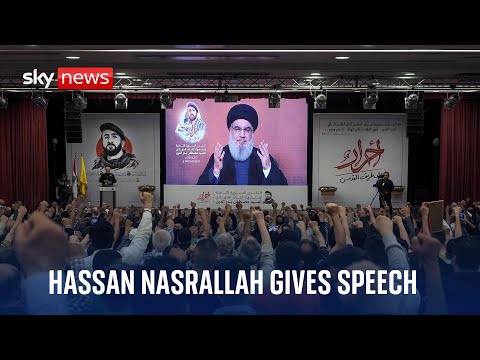
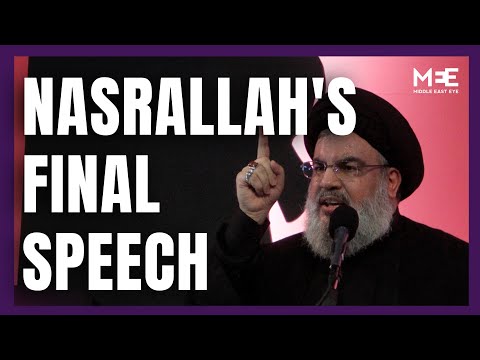
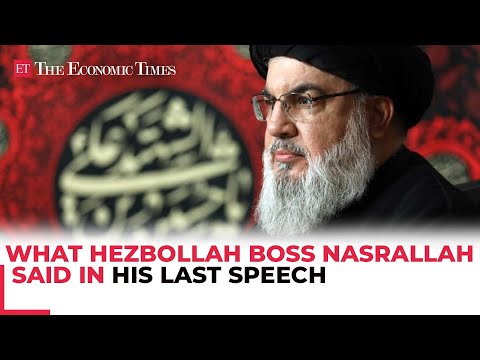
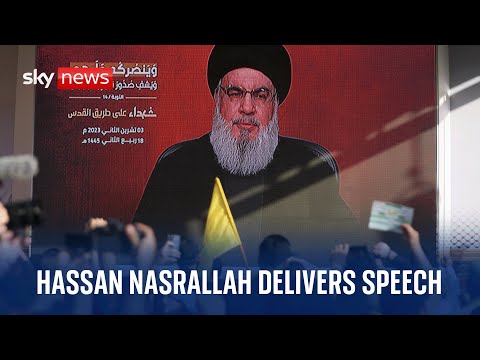
Nasrallah rarely appeared in public in his later years for security reasons, communicating chiefly through televised speeches. He was killed on 27 September 2024 in an Israeli airstrike on Hezbollah's headquarters in the southern Beirut suburb of Dahieh, amid the escalation of the Israel-Hezbollah conflict. He was succeeded as Secretary-General by Naim Qassem.
Education & Training
Shia seminary in Baalbek, Beqaa Valley, Lebanon
Seminary studies in Najaf, Iraq
Religious studies in Qom, Iran
Positions & Achievements
Founding member of Hezbollah (1982)
Secretary-General of Hezbollah (1992-2024)
Books & Works
Known primarily for his political and religious leadership and public oratory rather than written works; his speeches and addresses were widely broadcast.